
Leaderboard


Popular Content
Showing content with the highest reputation on 13/11/23 in all areas
-
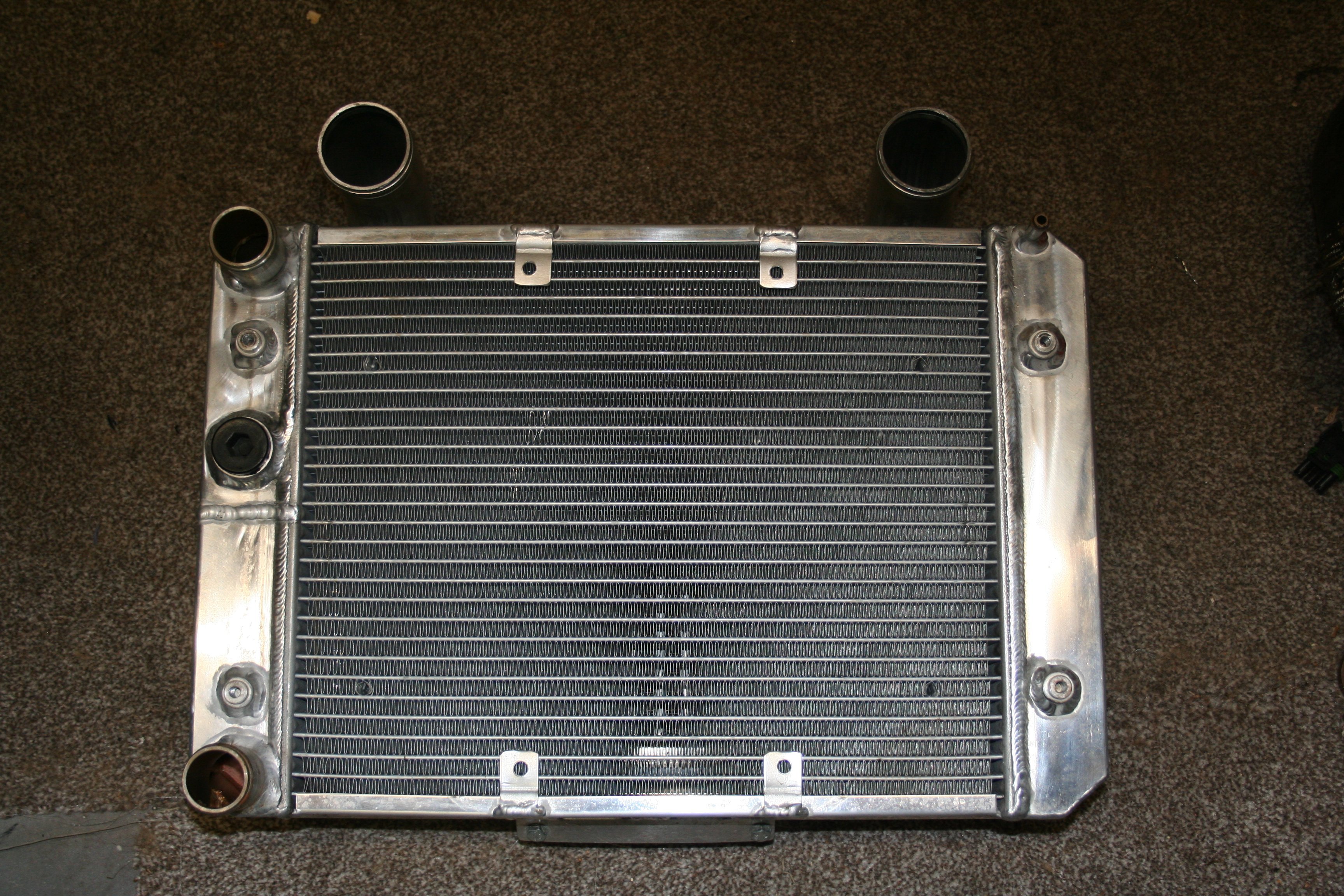
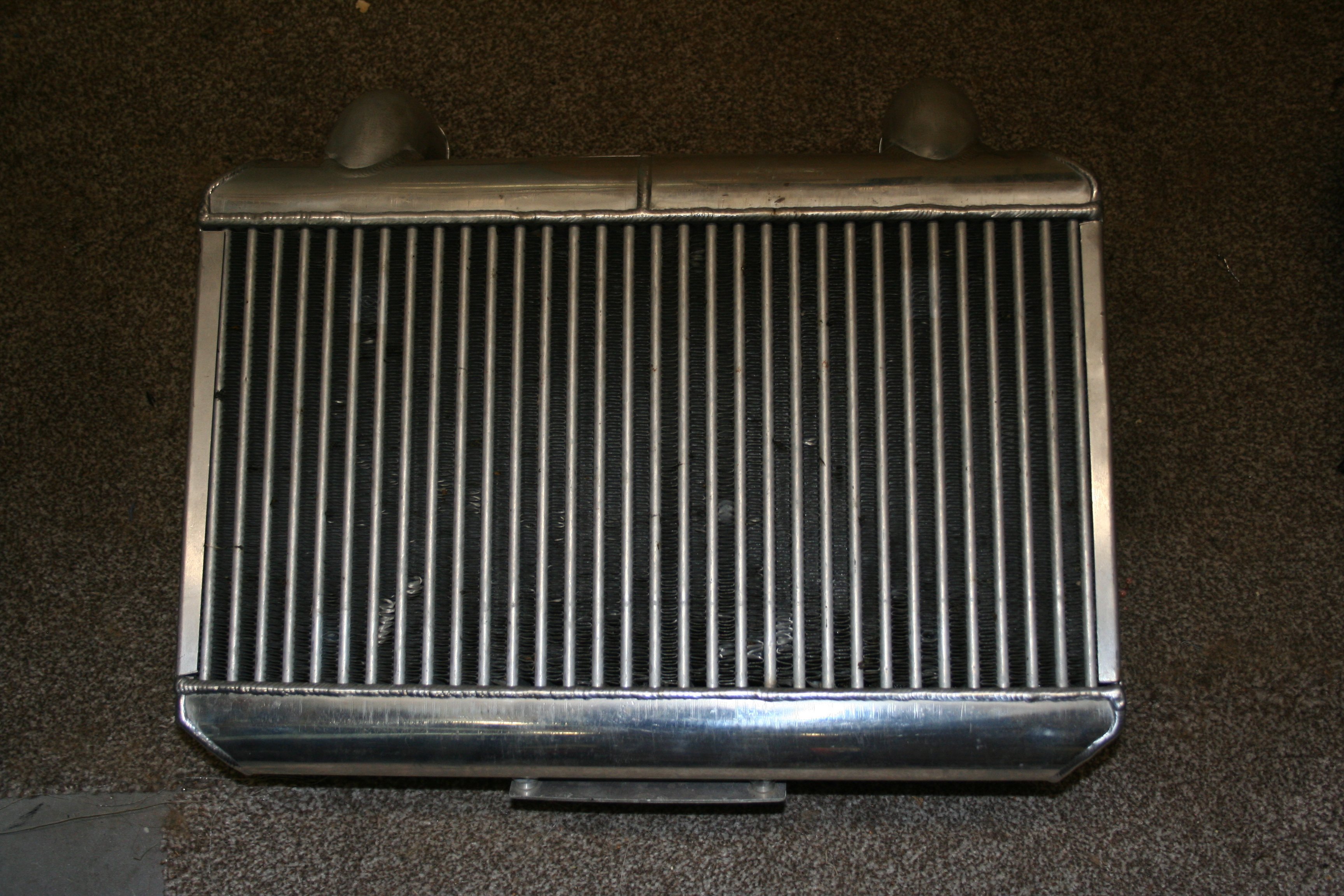
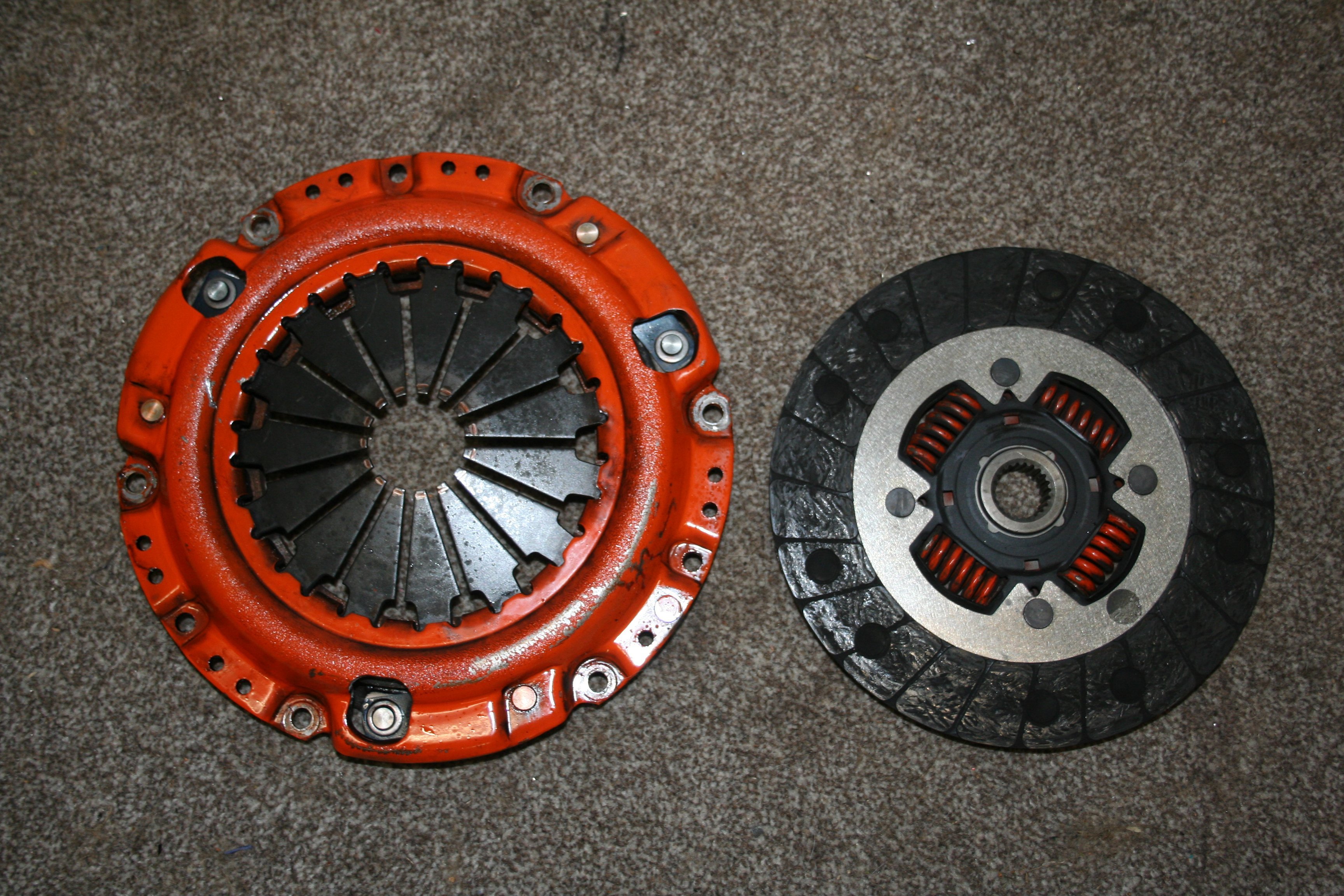
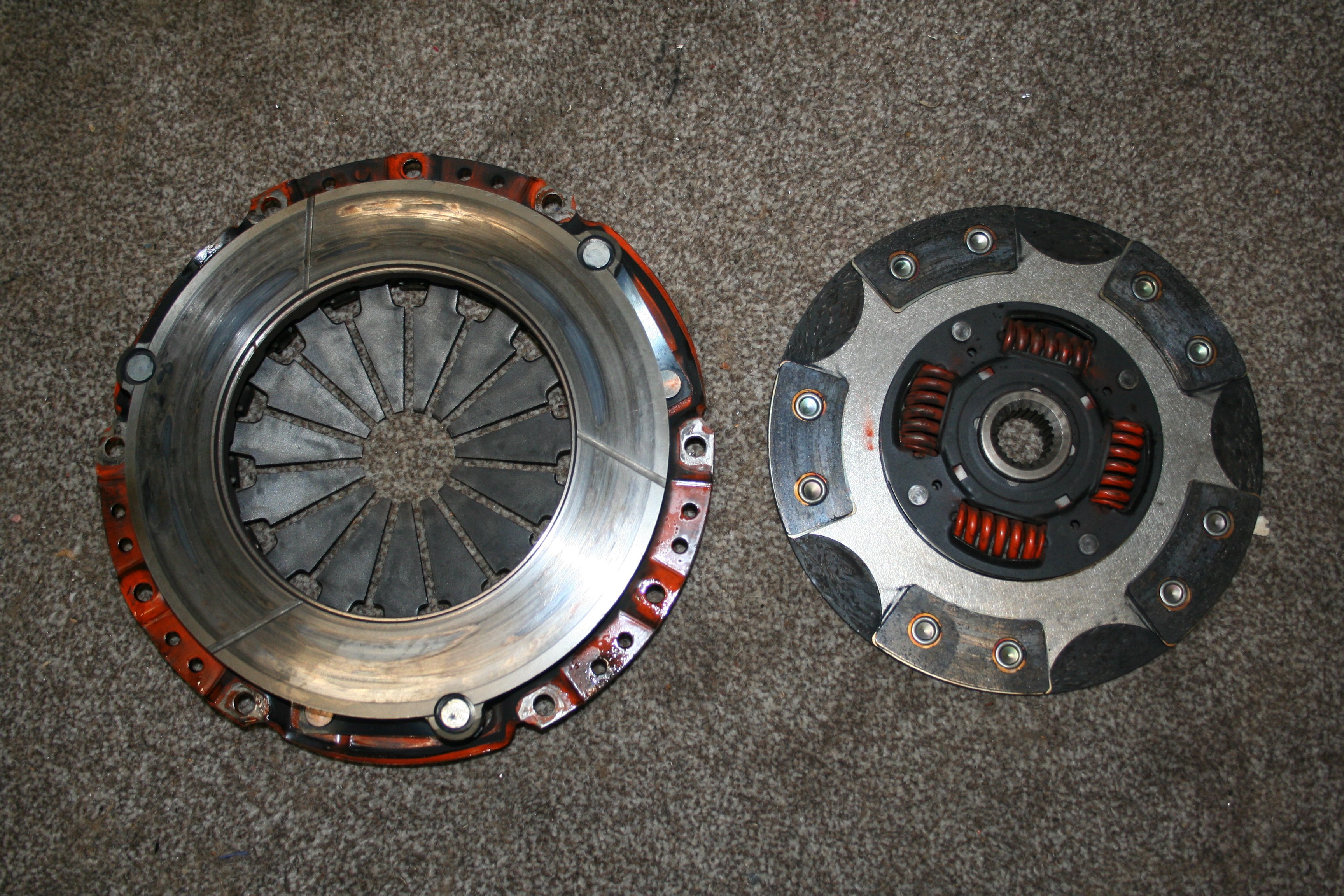
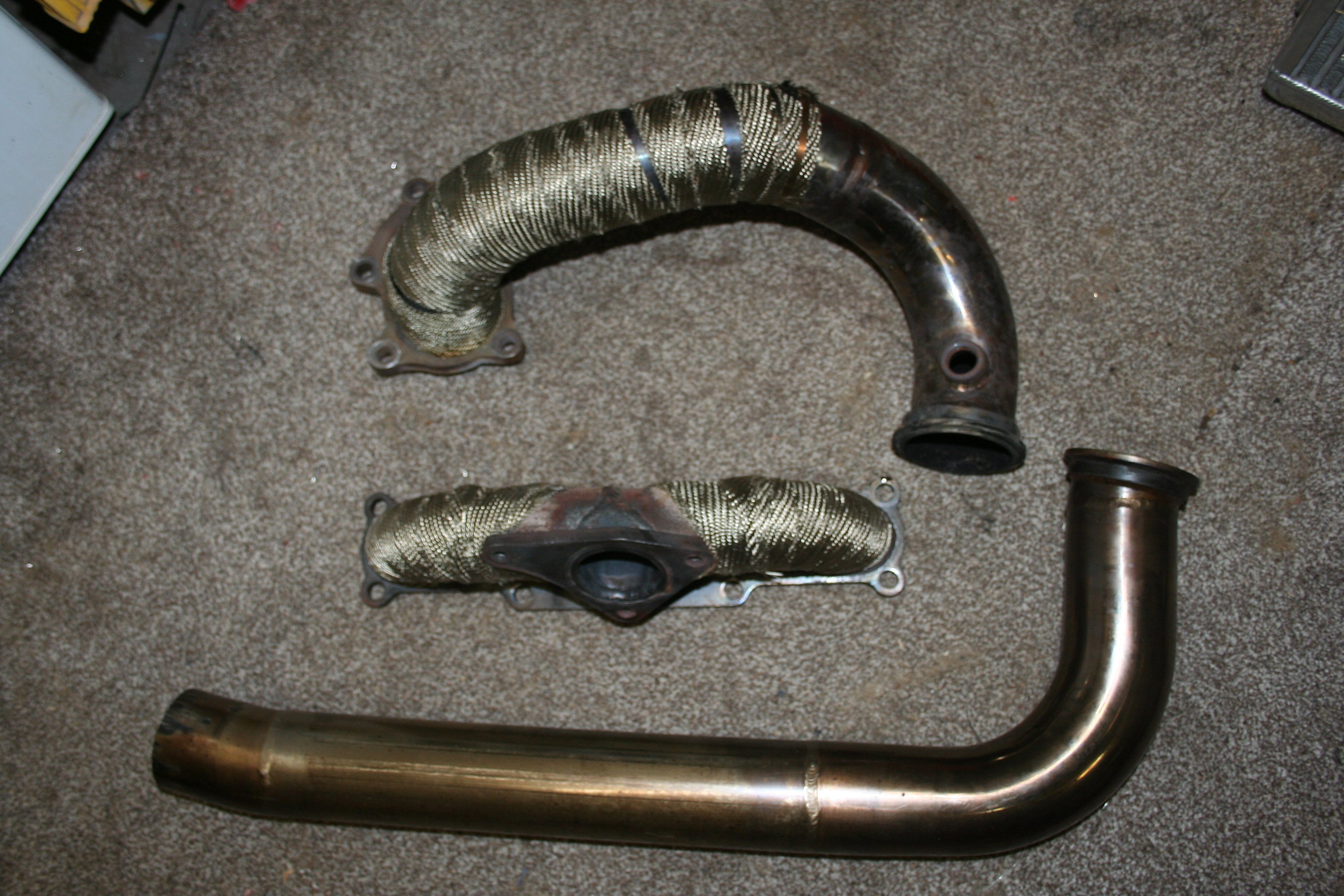
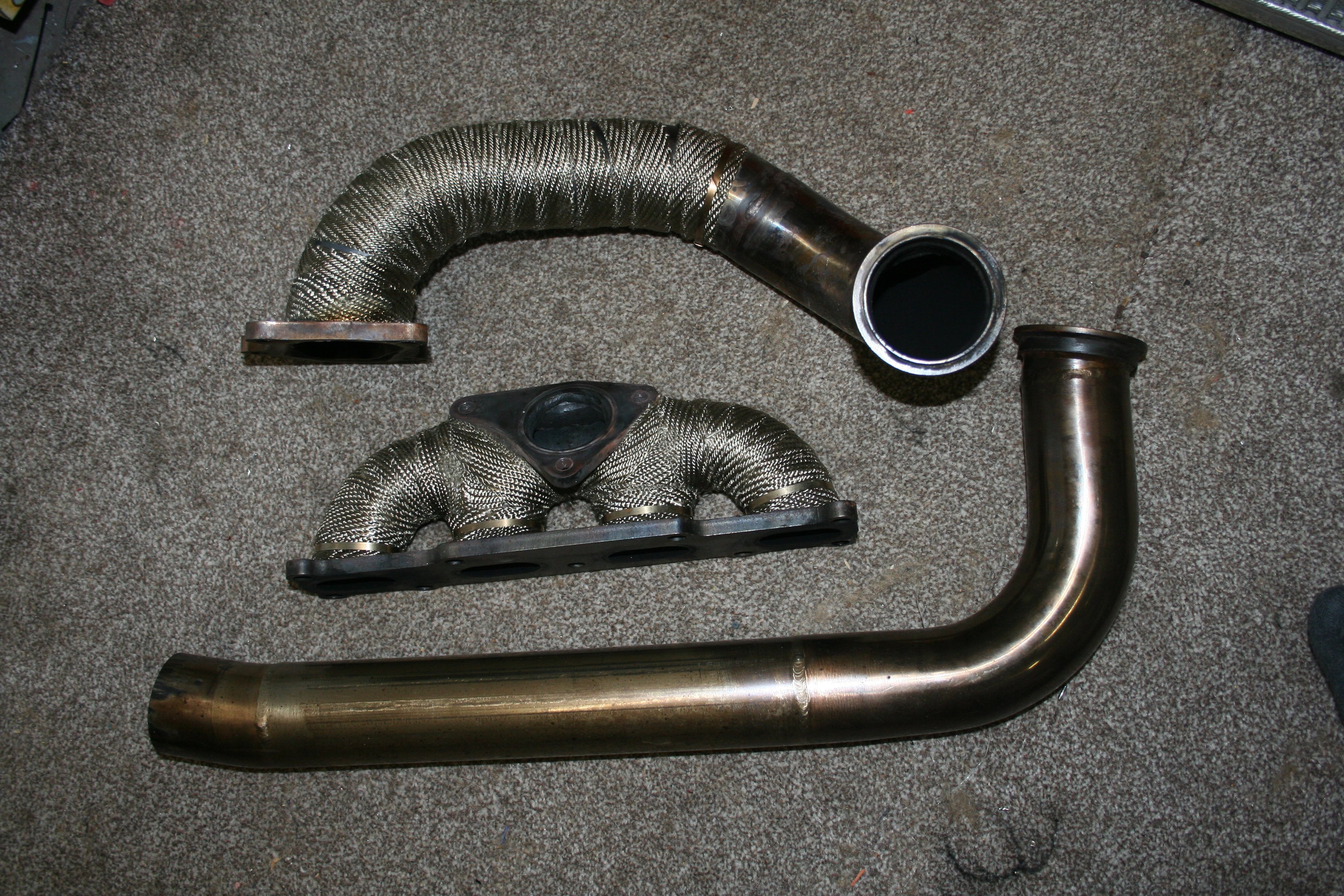
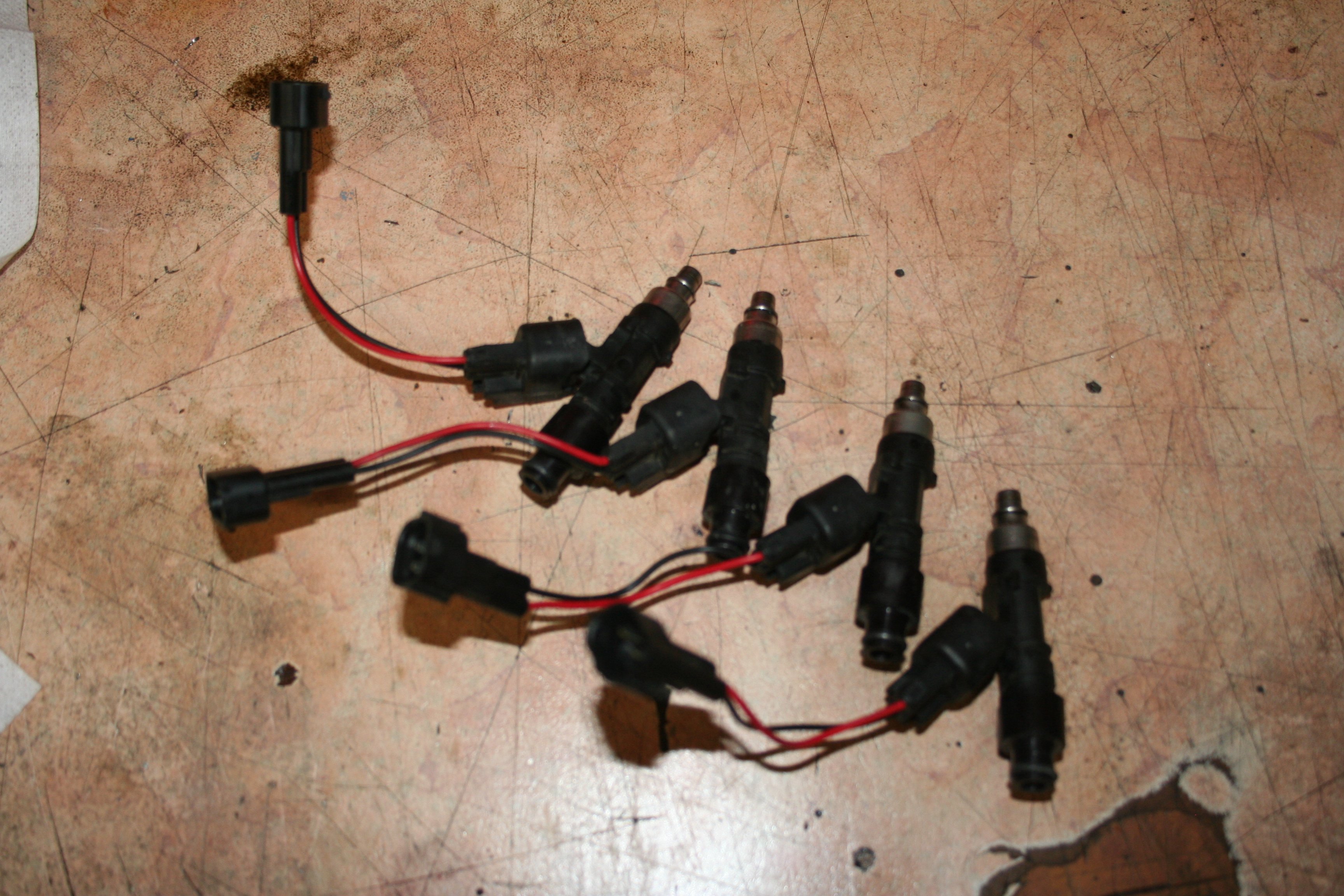
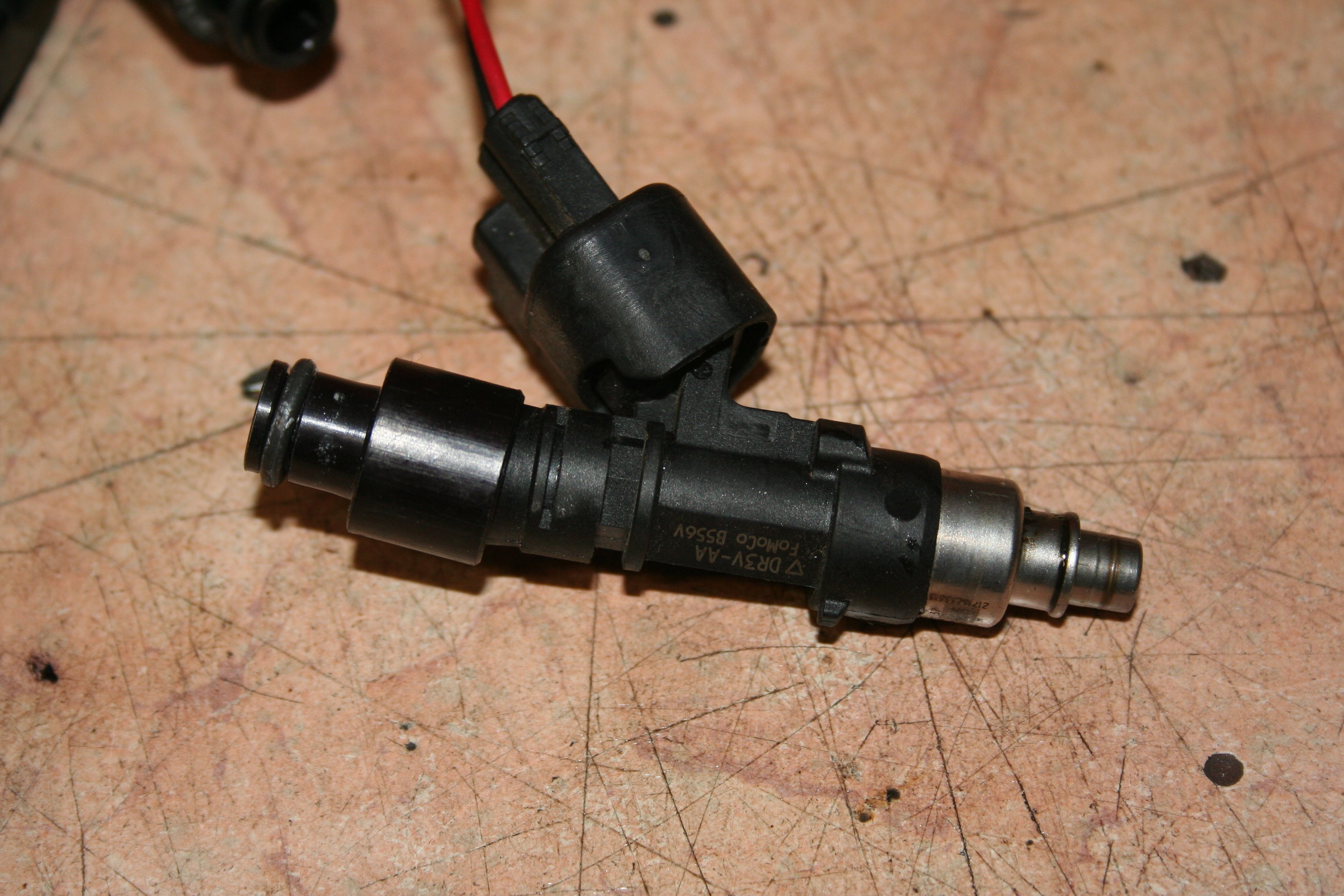
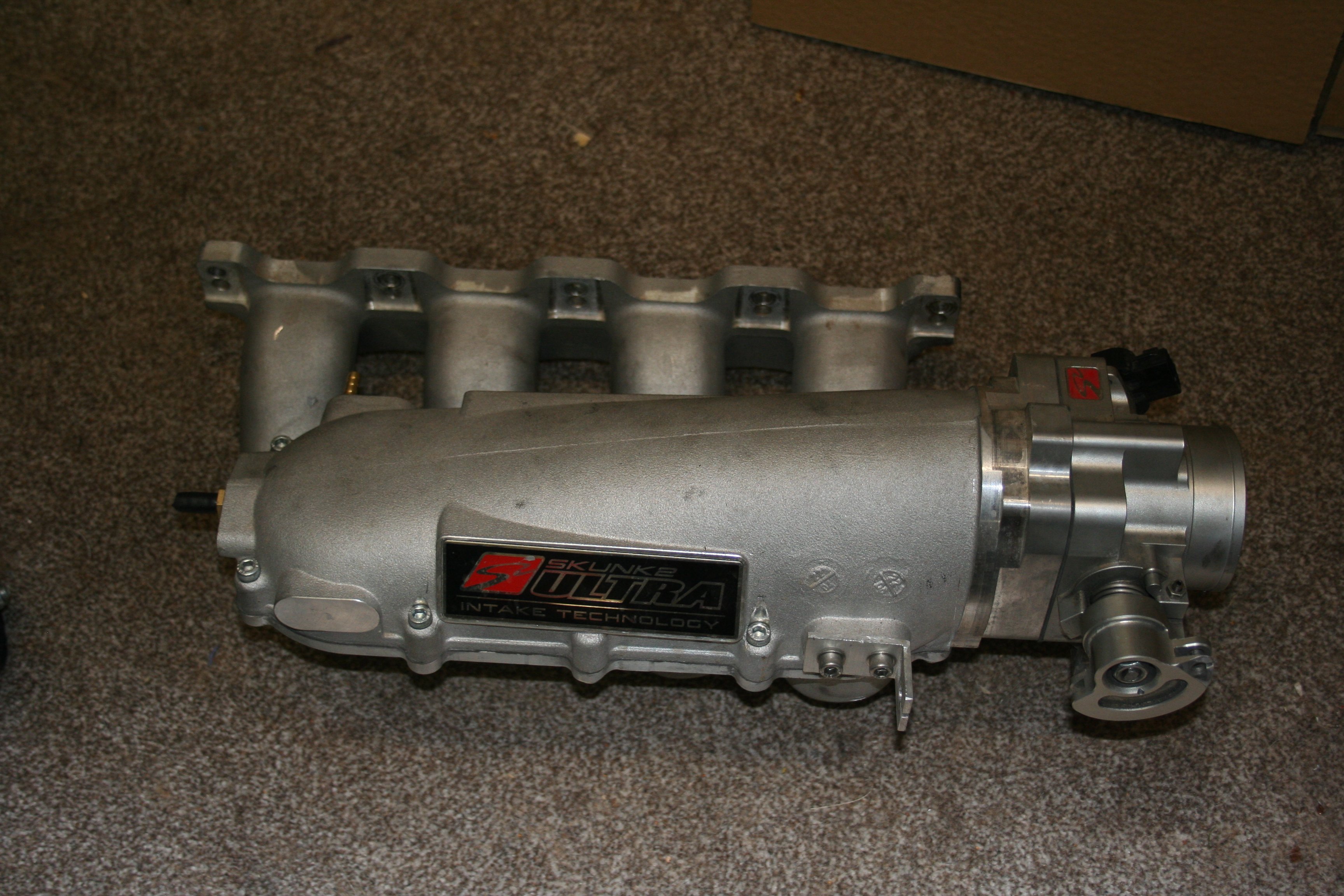
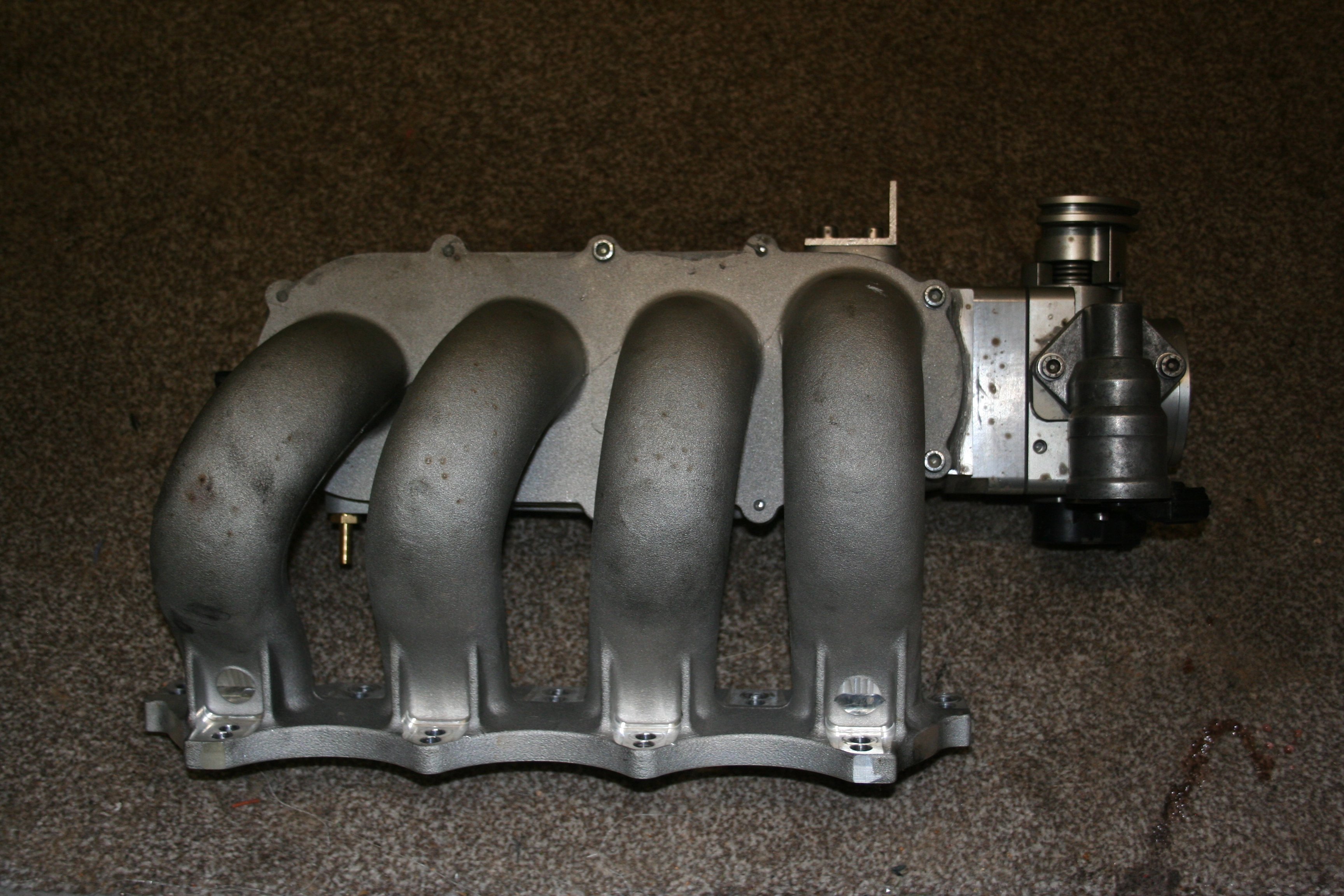
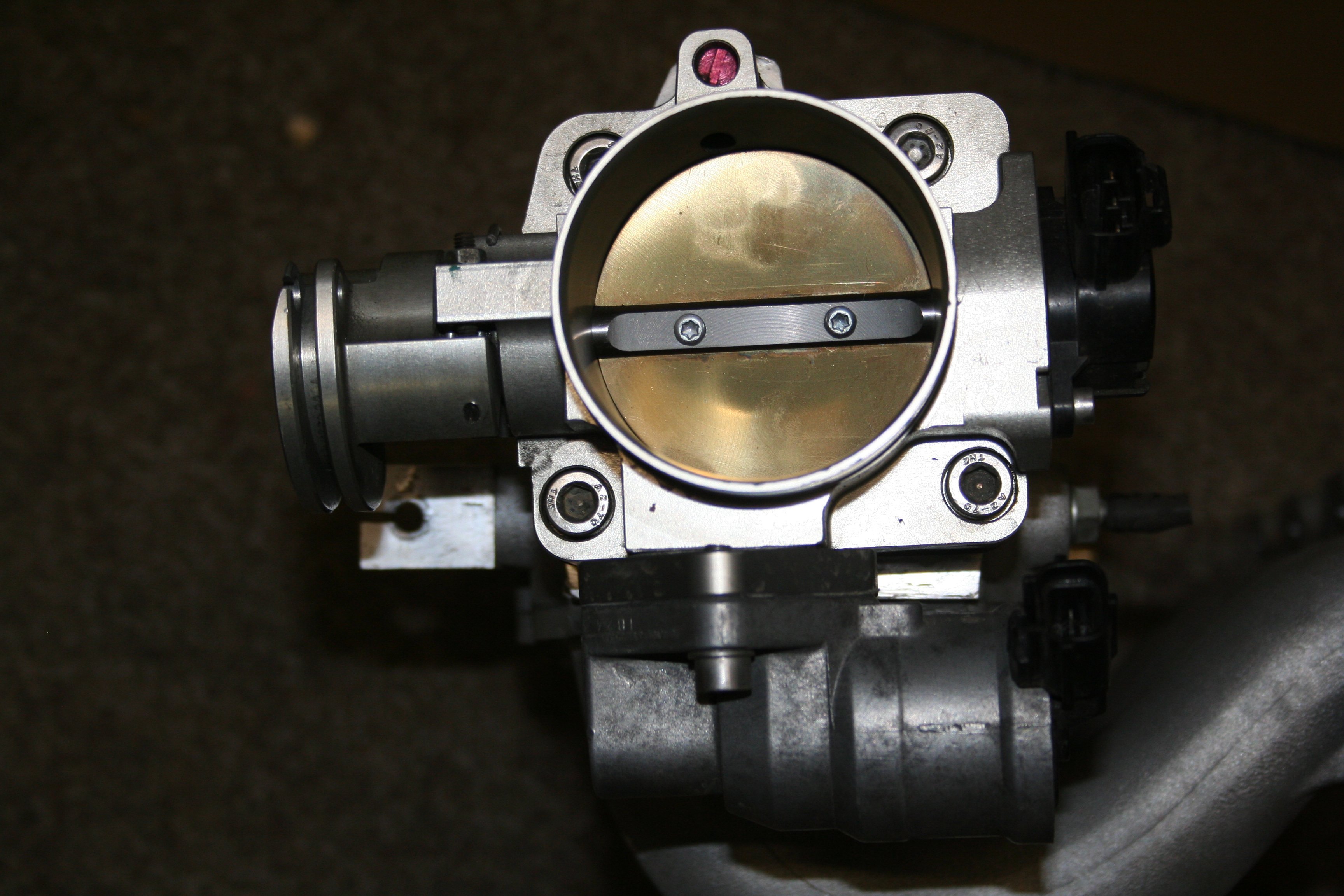
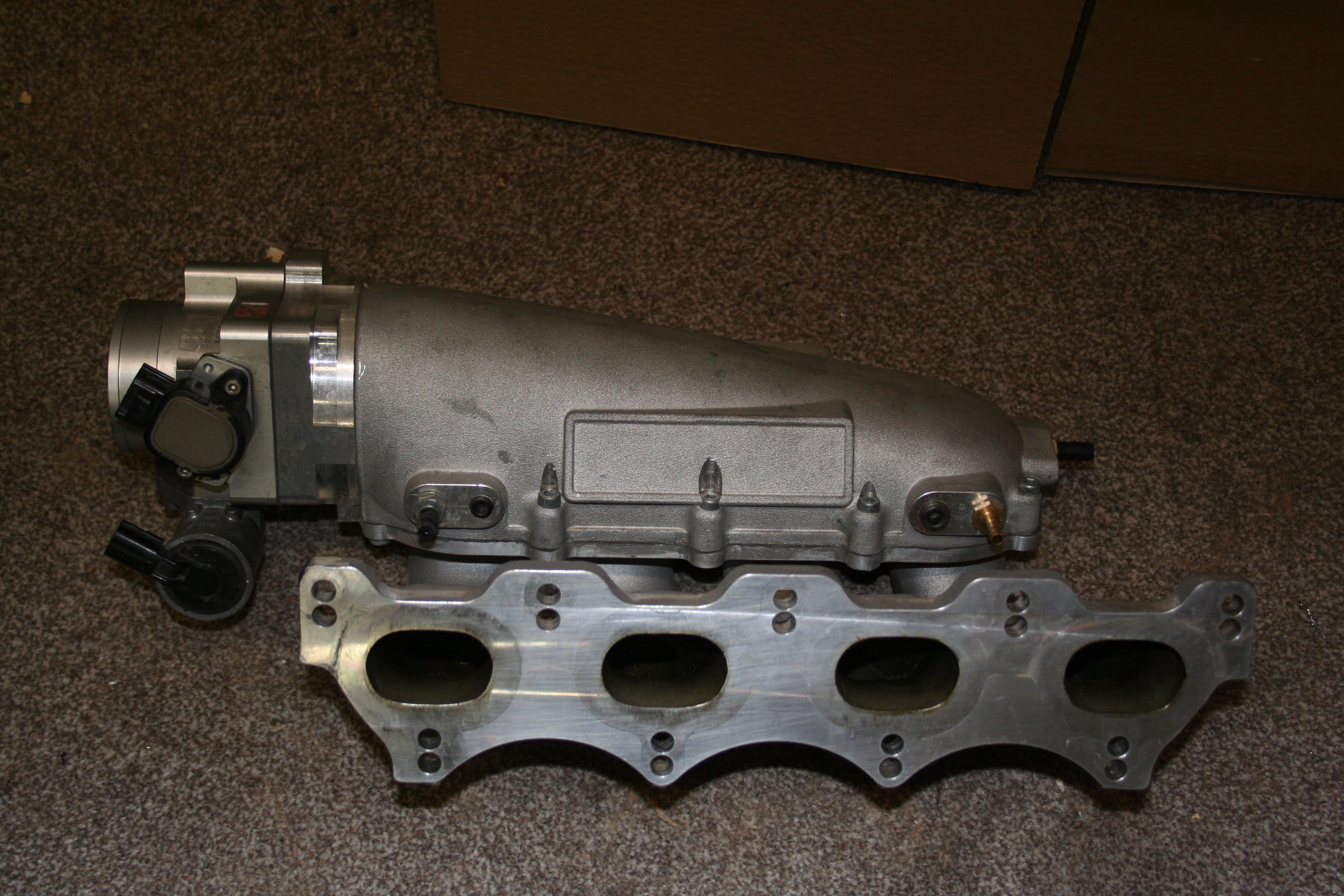
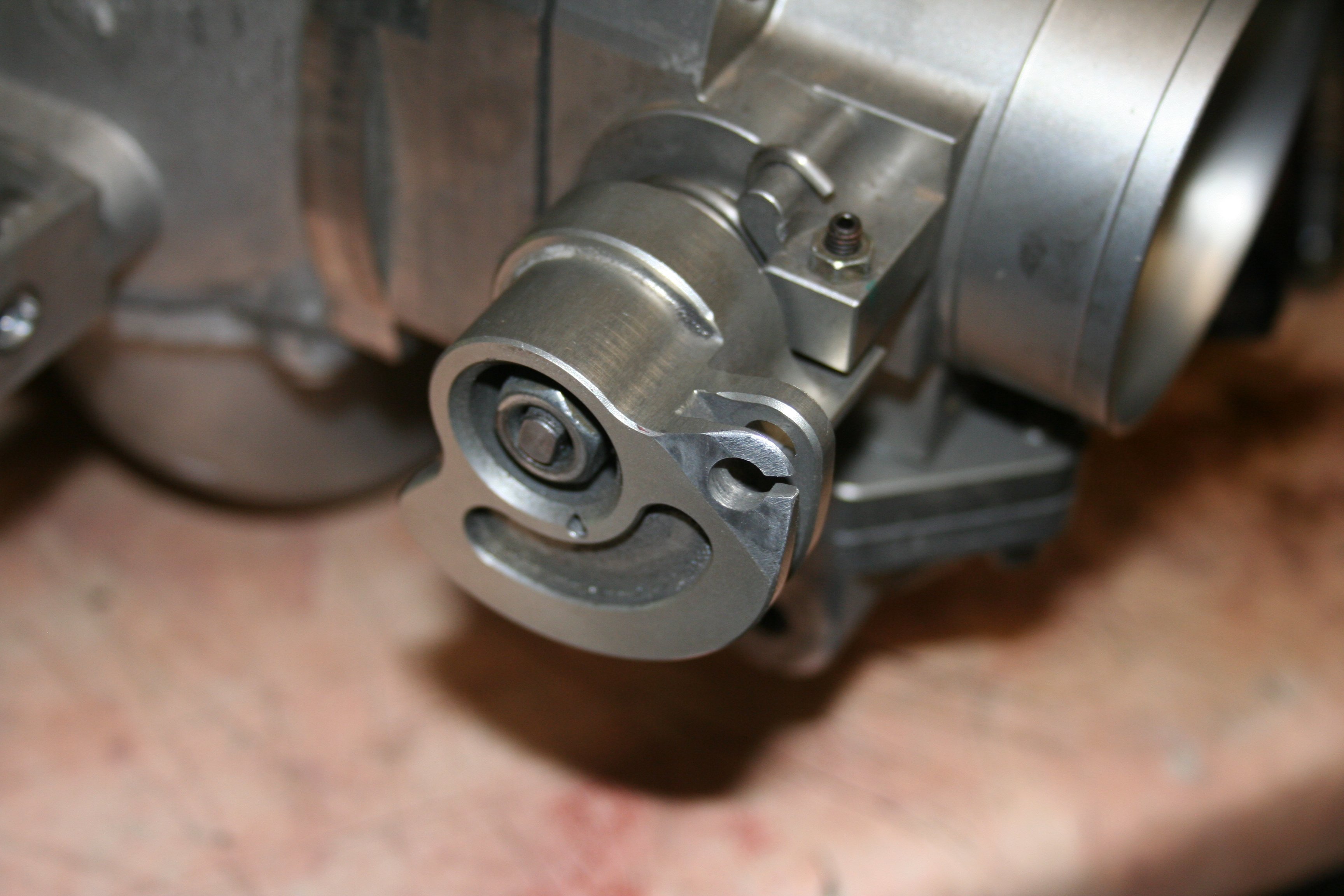
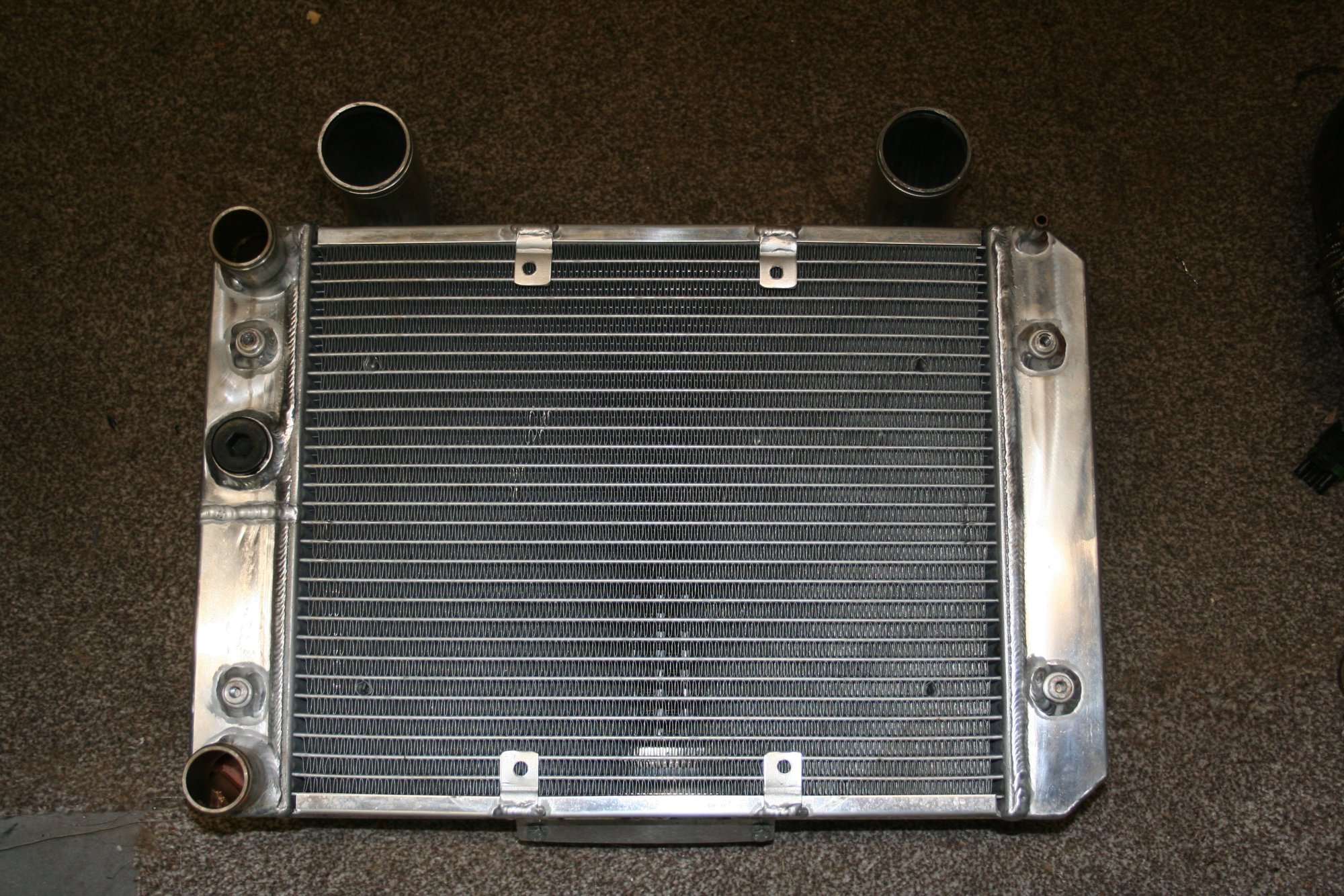
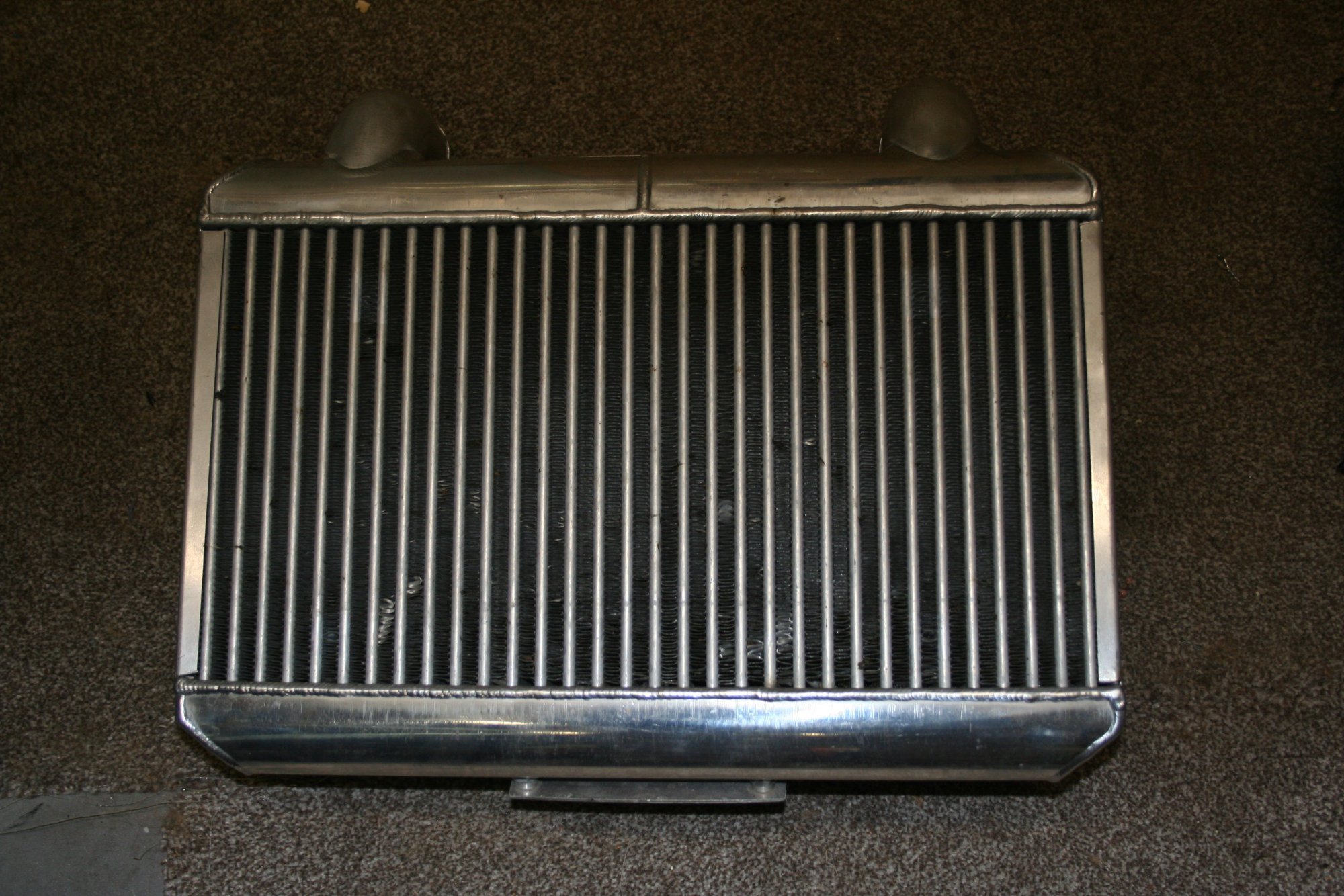
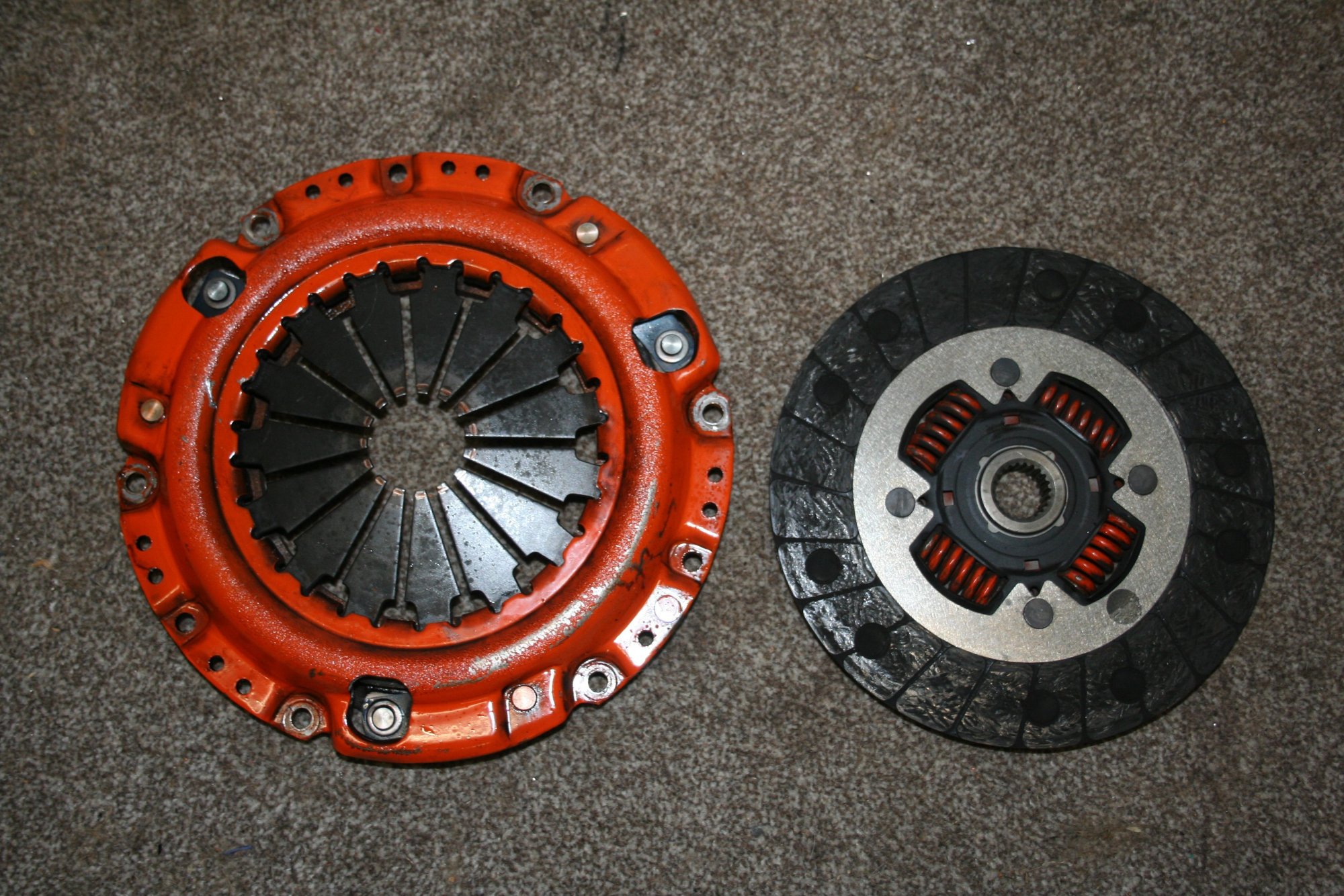
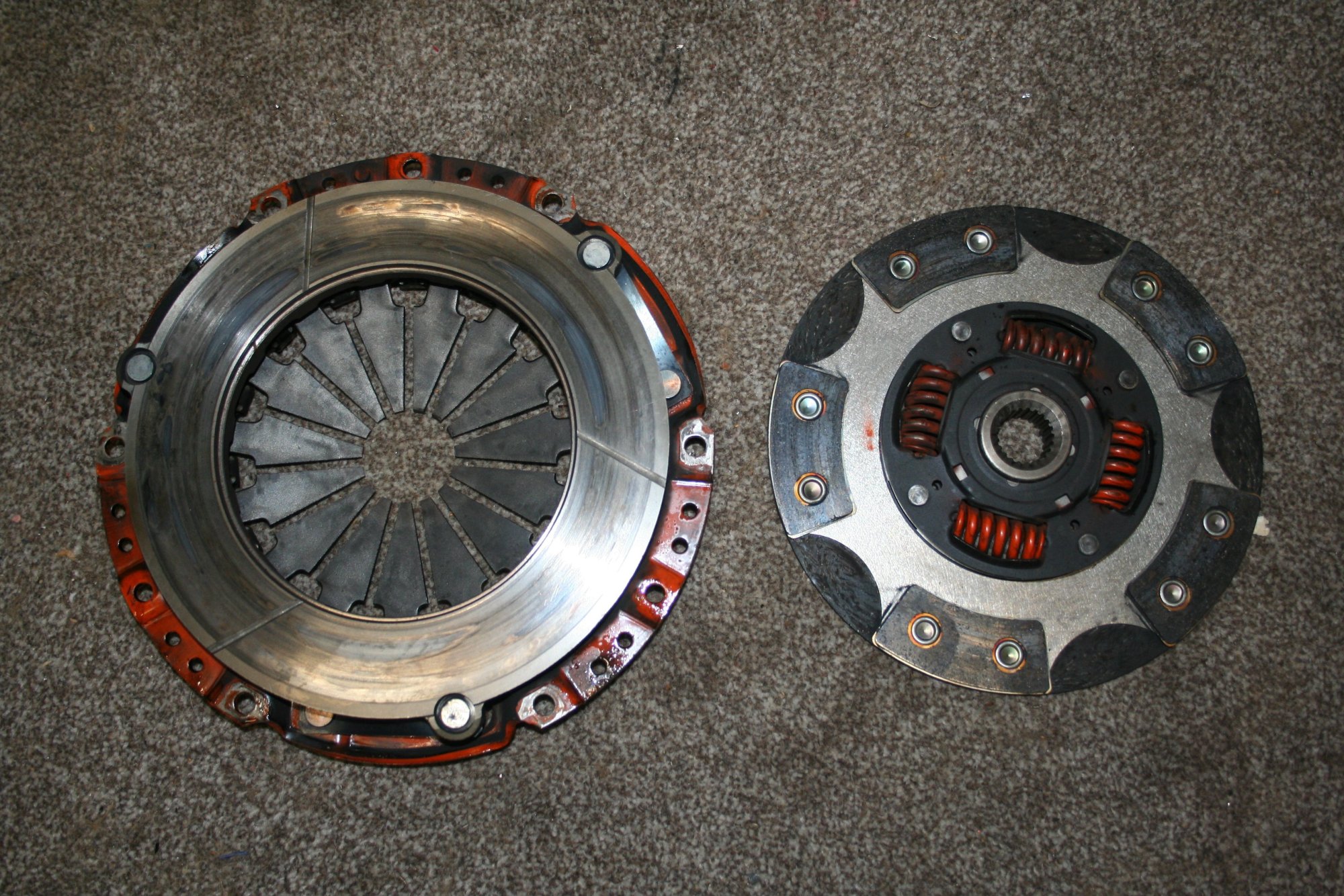
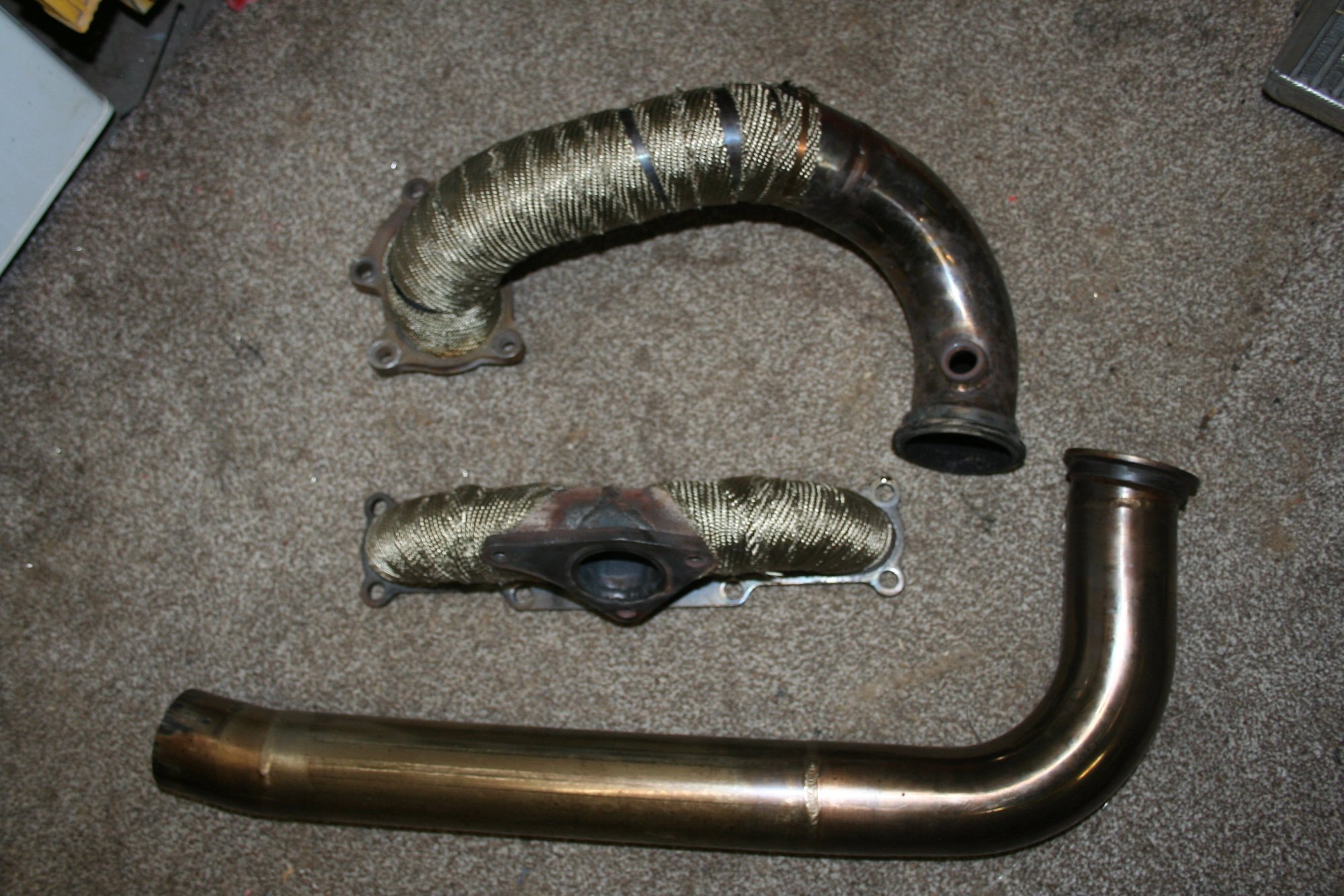
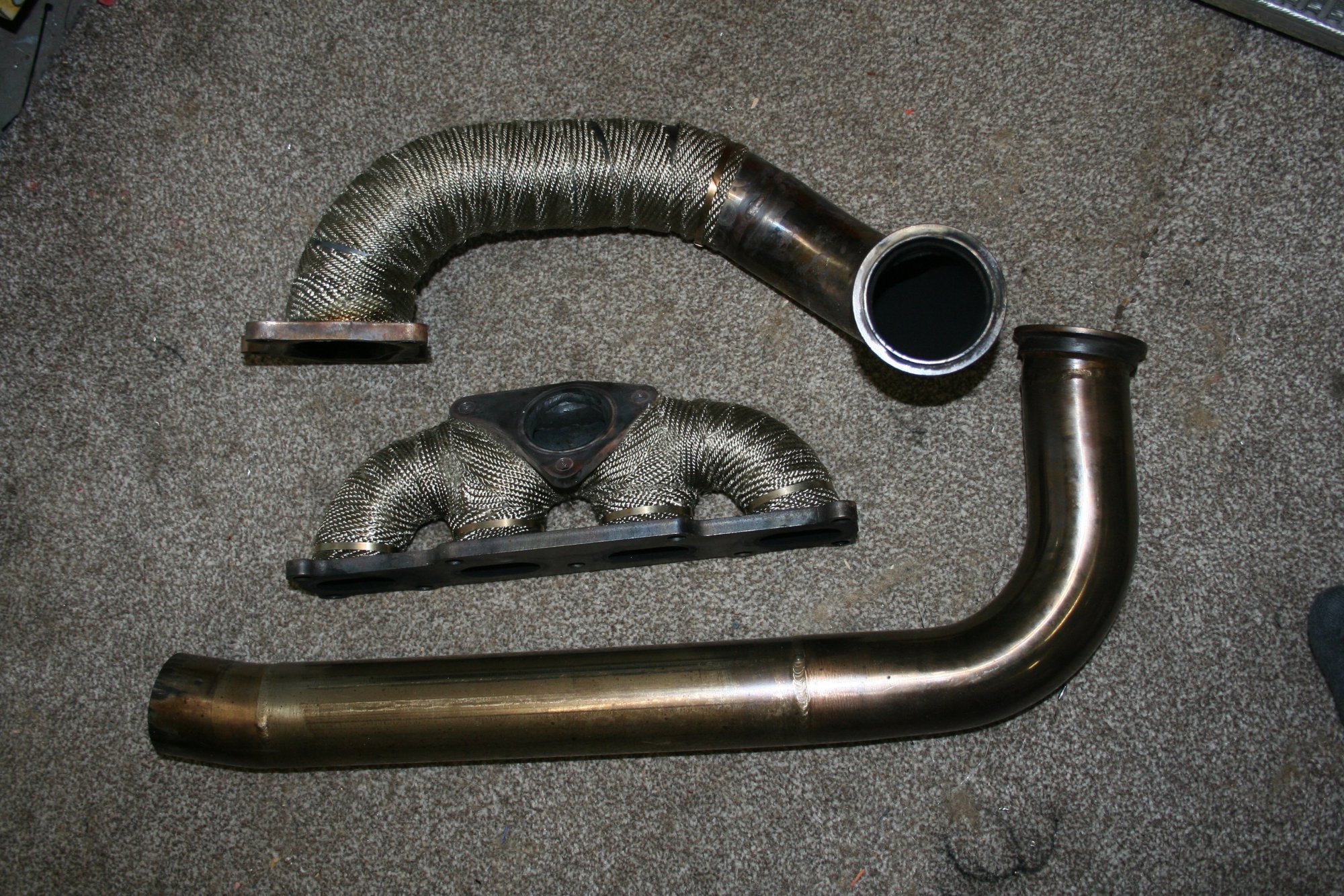
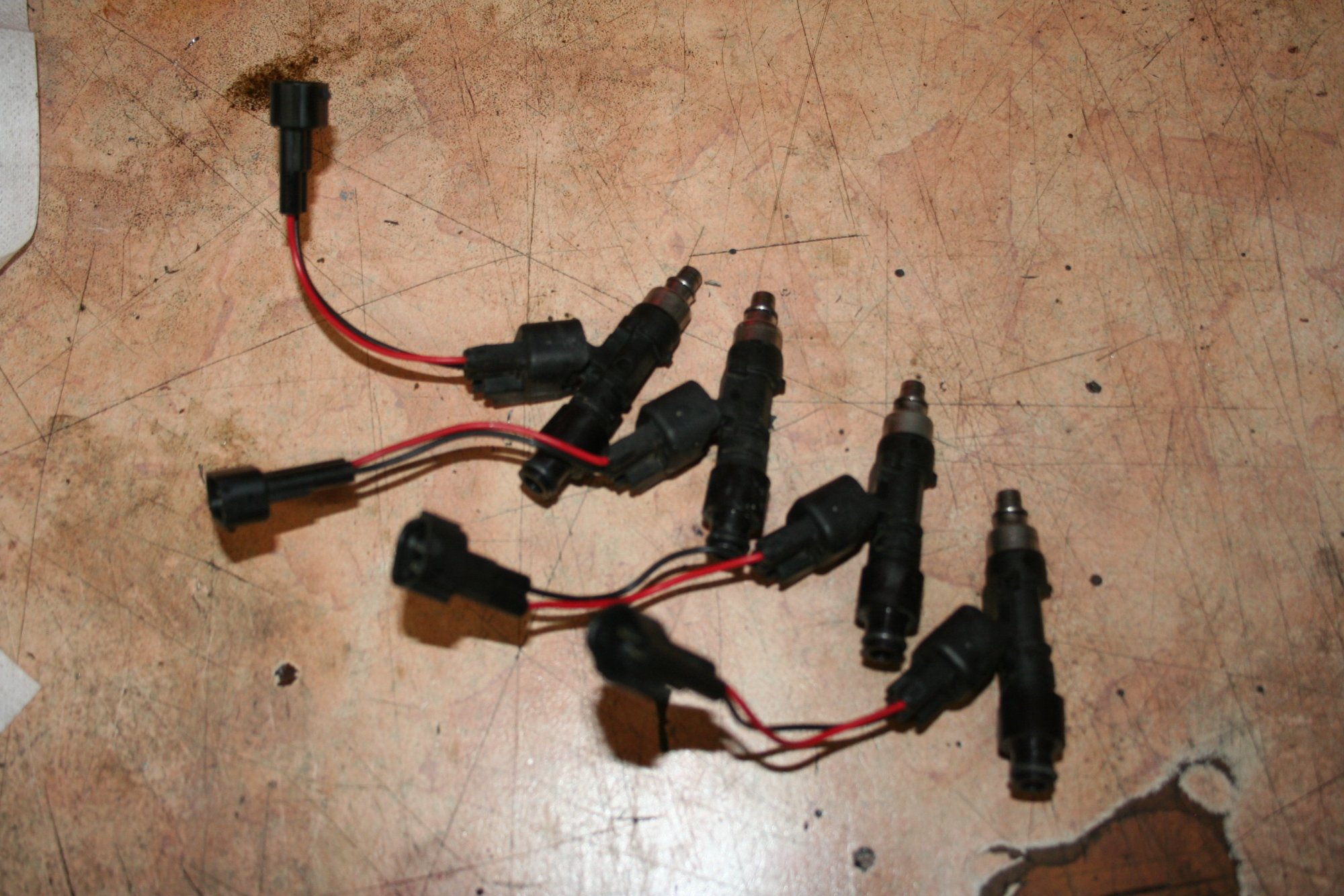
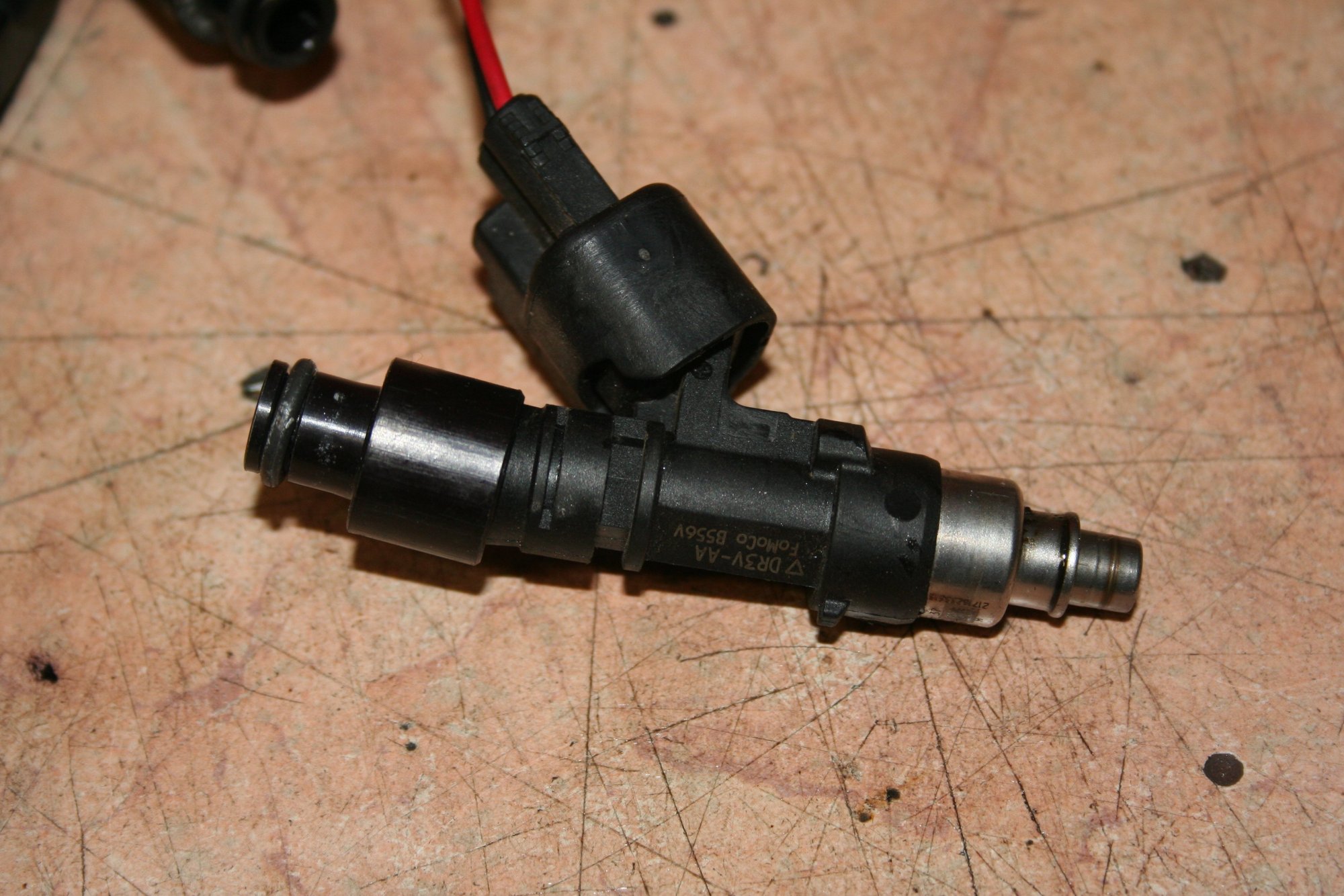
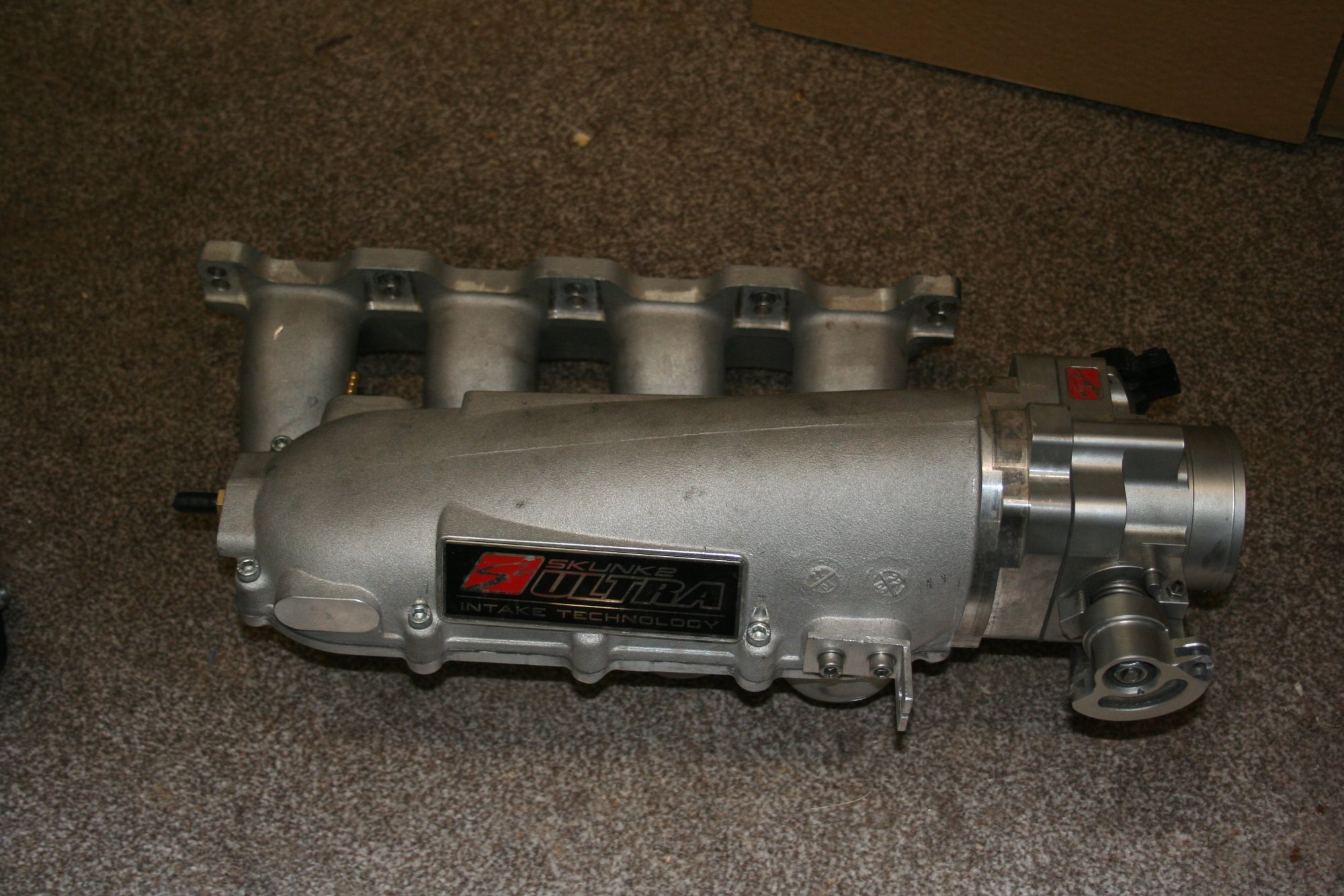
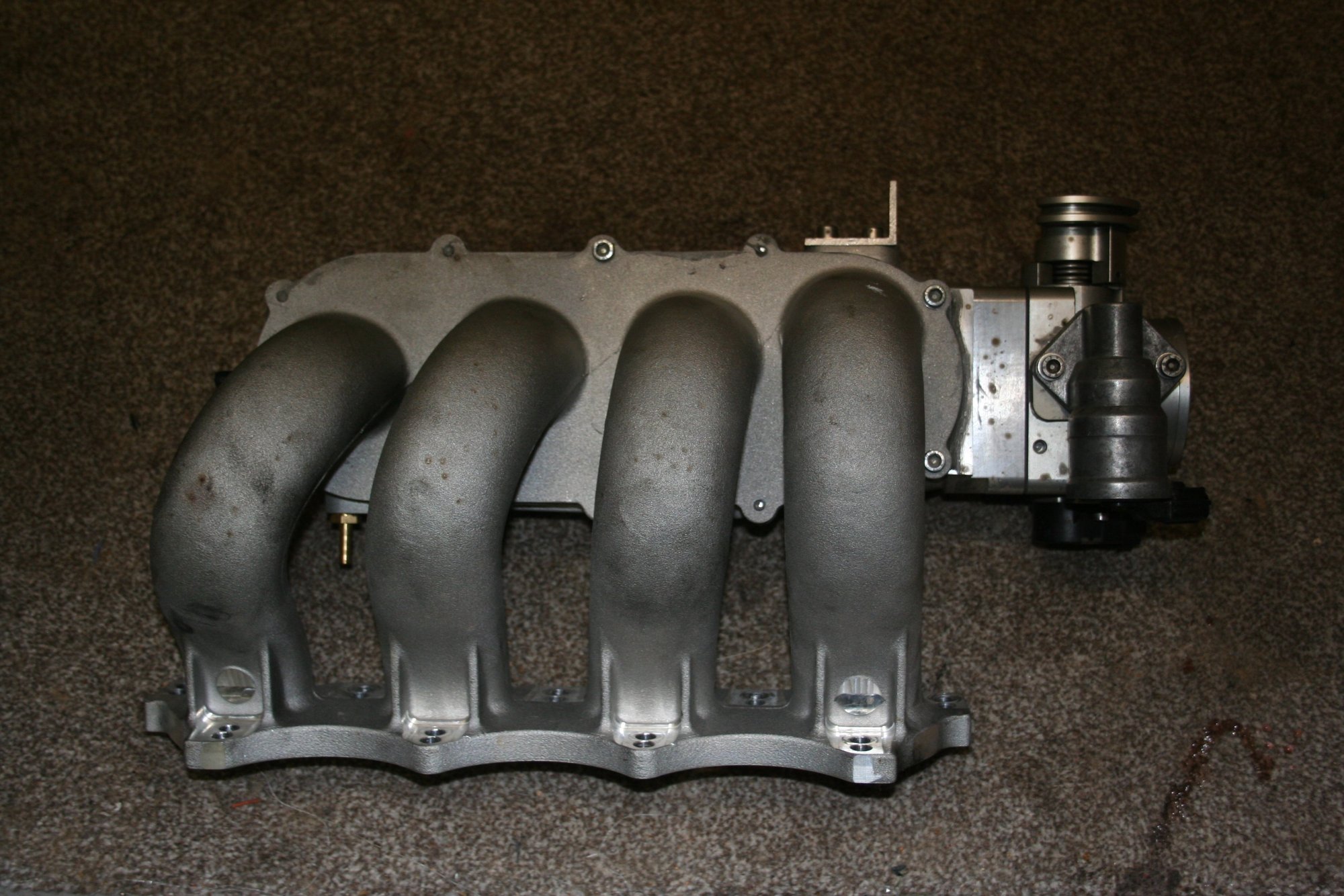
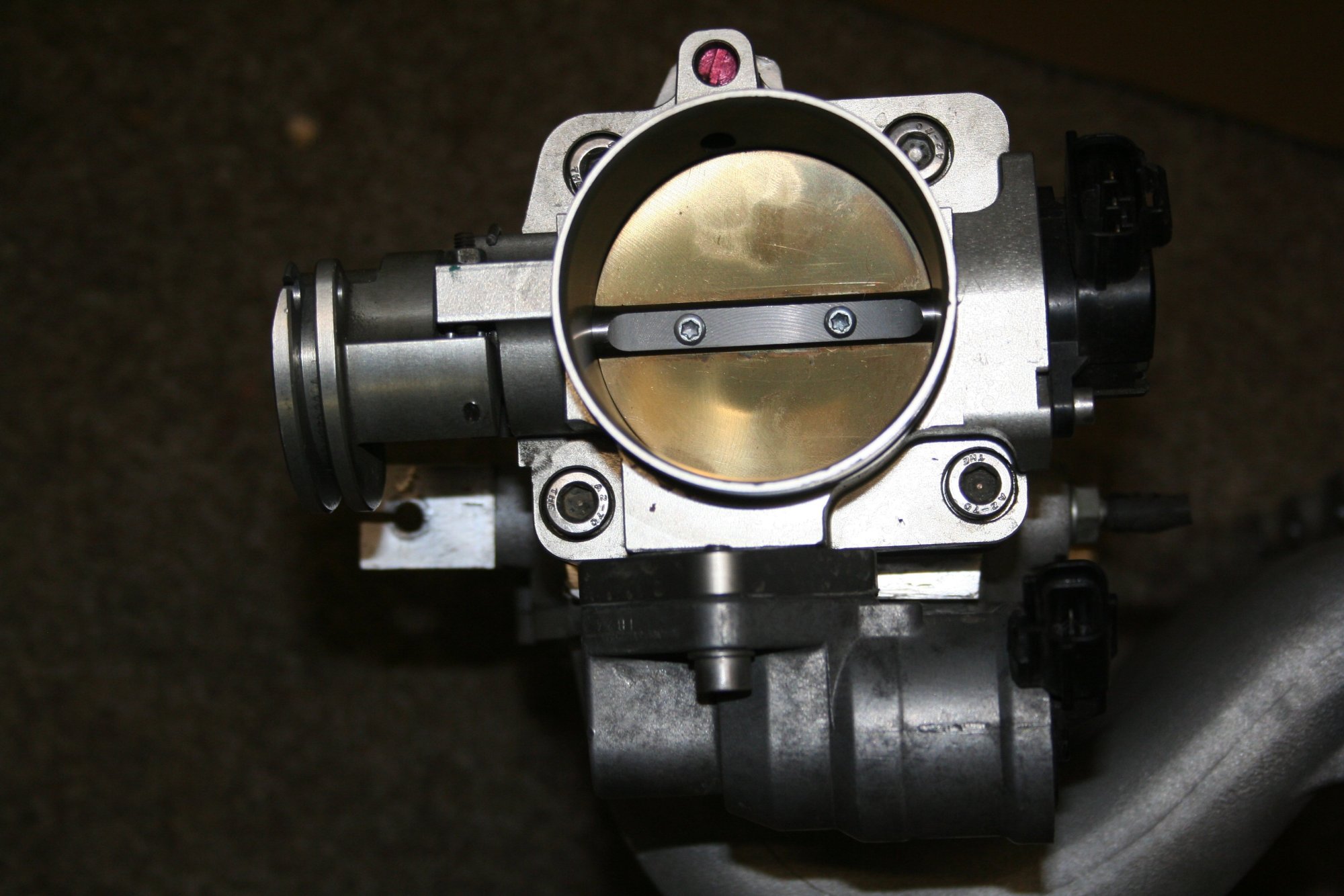
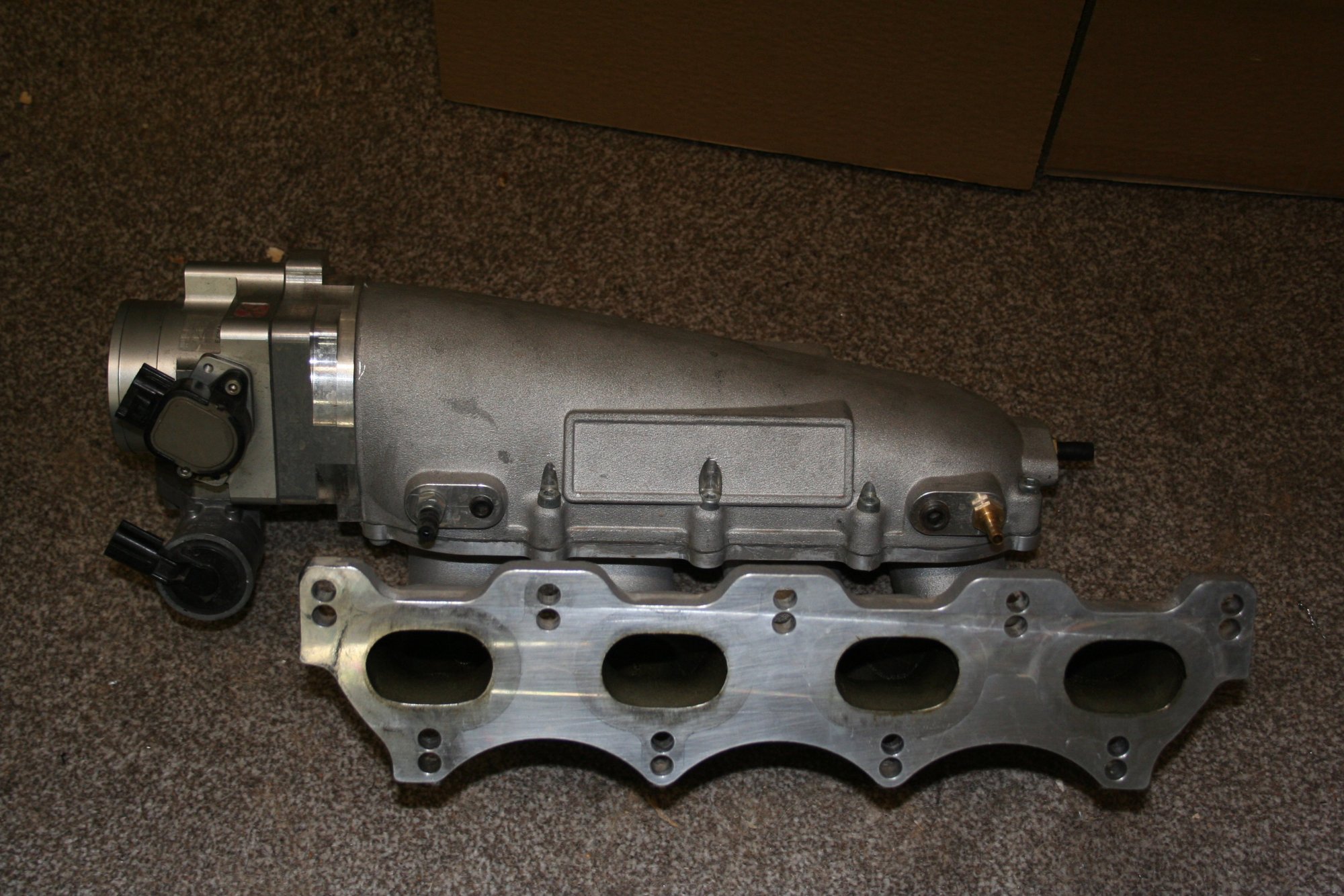
All parts have been taken from the turbo build that I completed last year and has completed 4000 miles. I will add more parts as they are removed. Someone has first dibs on the motor but if that falls through then that will be fore sale as well. Coolex intercooler and radiator. Does not leak. 63mm intercooler pipes. The units were bought as a package so are bolted together. https://www.coolexperts.co.uk/product/vw-polo-derived-radiator-intercooler-fan-combo-westfield-kit-cars/ £600 new, asking £420. postage would be extra. Bofi racing clutch. More than capable of handling the 280BHP that I had and isn't to heavy or snatchy. Loads of meat left on it, Needs a release bearing, £400 from Bofi, £100 Postage extra. Custom exhaust manifold and down pipe. Fits a TD04/13 and goes out the same hole in the body that the standard factory exhaust went through. Dave fab manifold. I have a V band clamp for it. £250.00 postage extra. Flowforce 660 injectors with MX% conversion. £400 new, 270.00 inc postage to the UK. Skunk2 inlet manifold and throttle body. TPS and ICAV not included. Trimmed the side of the throttle linkage for bonnet clearance. £860 new asking £650. postage extra.
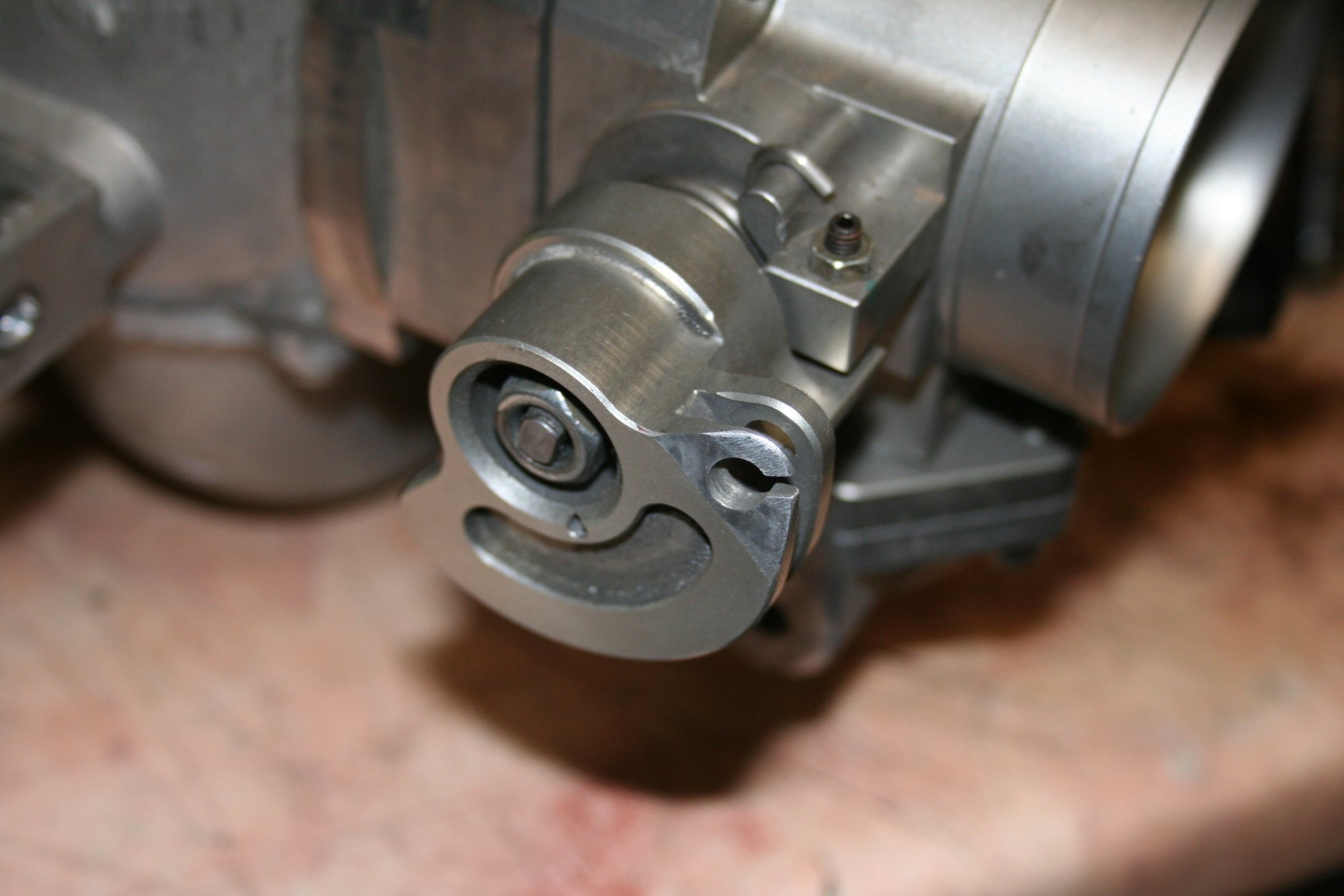 1 point
 -
I am pleased to inform everyone that Nick Algar has taken over from me as Comp Sec. Thanks to everyone who has taken part in the Speed Series and/or helped in the organisation and running. Hope to see a few of you at the Awards do on at 27th jan 20241 point
-
Been watching Dans Journey with my 10 year old. inspiring stuff1 point
-
Bonded in with Tigerseal, SIKAFLEX or similar, I imagine.1 point
-
Hi I'm intrested will send pm1 point
-
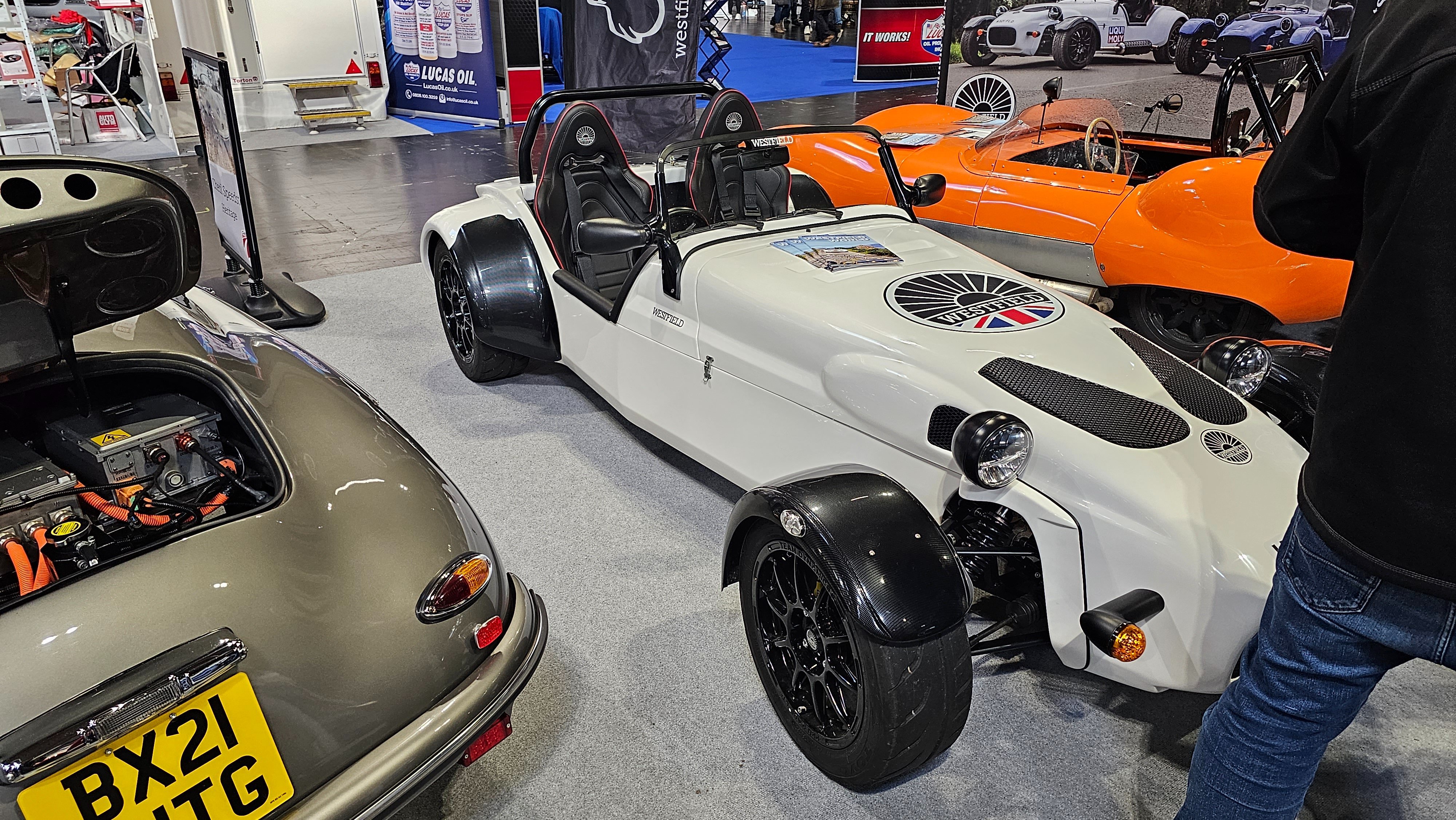
Not mine again, but great to see Westfield Chesil at the Classic Car show today
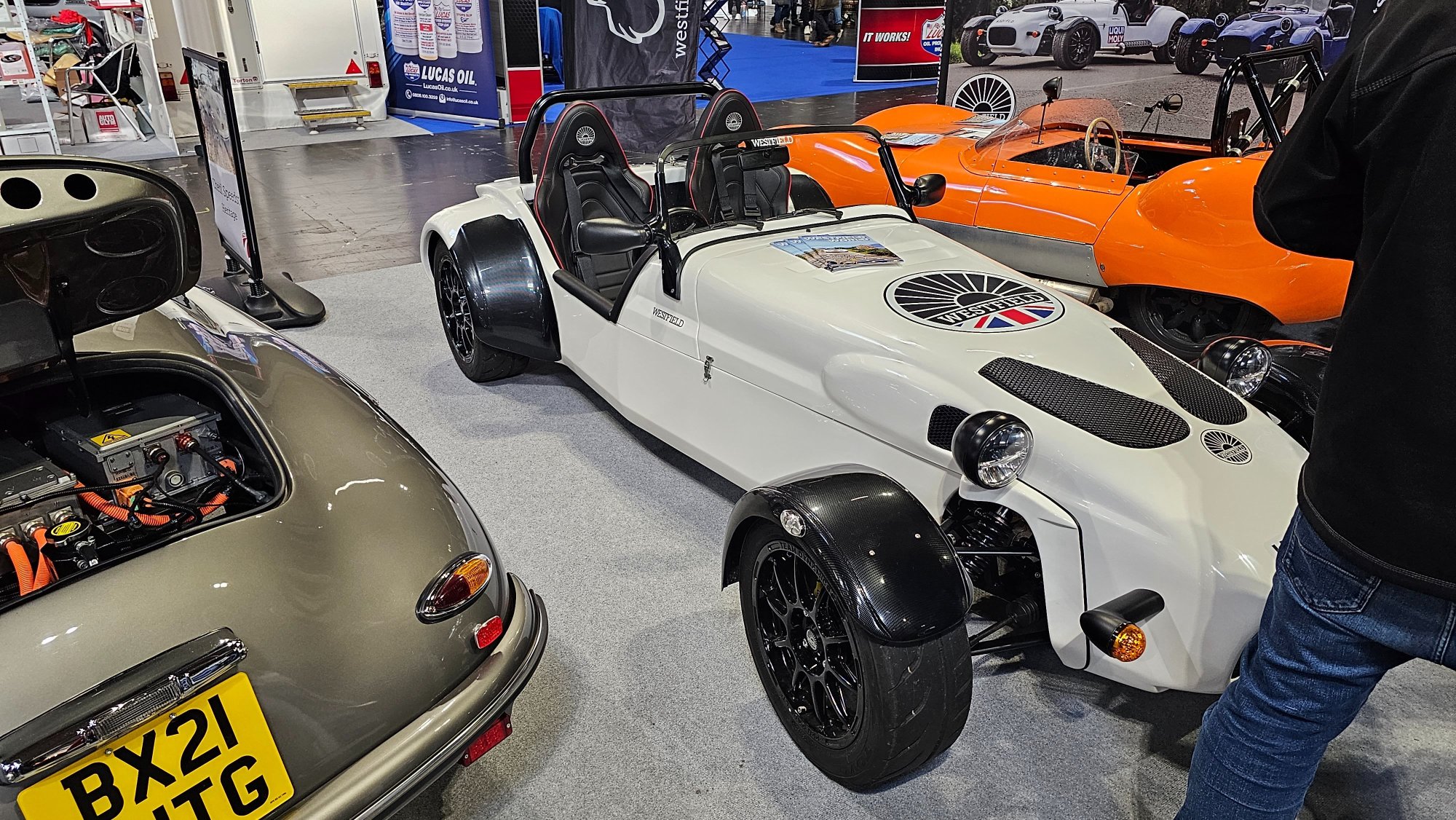 1 point
 -
Digital tickets will be for sale from Silverstone, club members can benefit from purchasing club discount package tickets using the club discount code available shortly on the forum. I will add a dedicated pinned thread with all details once club display packages go live which is mid November I believe.1 point
-
Some great advice on this thread, so rather than re-hash it all, will just add a couple of general comments! If you don't have an oil temperature gauge, (or a logger recording temps, even if not displayed in real time), you really have no idea if you have a true issue or not, in 90% of cases. Unless an out and out competition or equivalent track car, that only sees careful warm up/cool down and hard track use, if you do fit an oil/air type cooler, you need a thermostat too*. If you're more of a balanced year round road user, you probably, for most common Westfield engines DON'T need a cooler. Even on the engines dogma tells you, you will. If you like to mix year round driving with very hard road driving on, oh, lets say Alpine style roads , or perhaps a generous number of track days as well, without actually living at the track, then seriously consider an oil/water style cooler. Some of the common Westfield engines, Honda F20, Duratec etc actually come with the OEM manufacturers version already, in fact. Though subject to what your oil temp gauge is telling you, this might not be enough. In which case a bigger, Mocal or similar style cooler, (which may also mean a slightly bigger or more efficient rad, too), is the thing to go for. The Oil/water type cooler, have the advantage, that they won't over cool the oil, in fact, they'll actually look after it better, helping it get up to a minimum operating temperature faster. Great for winter/colder days, or even just getting the engines T's and P's up to working levels faster, and more mechanically sympathetically. The oil/air type cooler, has some benefits for pure track cars, efficiency wise, and oil pressure wise, (potentially), BUT without a thermostat, will over cool the oil when not driving hard, which is also bad for the engine/oil. A thermostat will help, here, true, just be aware, that the stats for oil systems are usually different to those like you have in the coolant system. To avoid pressure drop catastrophes, they will frequently still flow more oil then you might think, through them, even in the "closed" position. So with this type cooler, physically covering it in colder weather is often best.1 point
-
From my humble track experience I will agree. In previous track car before instalation of oil temp gauge I was driving ca 15min sessions on exact track, almost from start to end hard (exept 1 and last lap ) . it was dont know mayb 15 trackdays on the same oil (LM 10w60 , not zetec but also 2.0 NA Alfa Romeo) . Then next seasson with gauge on the same track also 15min sessions, the same style - noticed that in half session had 120-130deg C, on end 150. And - after this first seasson I send oil to Blackstone lab and there was no harm to viscosity, no especialy metals in it etc. Oil was good. After second seaason engine was examined inside on ocasion and bearings etc was fine. In Westfield track (air - oil cooler there) I use Gulf 5w50 (engine builder recomendation for viscosity) , 120C in summer is nothing strange, normal in warm/hot days, changed after season and exept fuel in oil (extra viscosity is good to have ) also no metal etc. On road westfied with zetec 2.0 (gulf 5w30) no oil cooling system , oil goes max to 100C even on hot summer days , but must say I never took it for trackday and engine is not tuned in any way with std OEM ecu exhaust etc. If 120C is max what one can see no sense to add additional complication, weak points (connections) potentialy with oil leak (this really can harm engine if not car if sprayed under rear wheel) . Maaaybe some extra viscosity like 10w40 instead 5w50 etc so if with temperature vicosity goes down, it will be there still. On the other hand, some say that highier viscosity oil has more resistance in flow, hence not so good in cooling.1 point
-
That actually looks like quite a decent build. I wonder how many times he had to make the front uprights to get such a good tolerance fit? I'm already planning next years build and it’ll be very different to the last one. I’ll post up some details soon.1 point
-
@Mark (smokey mow) have you seen this conversion, not exactly the lightest but clever? Bath Tub Cart Conversion: Creative DIY for All Ag…:1 point
-
One I got the other day. Helmet required bit nippy
 1 point